
Starting your own beverage company can be exhilarating. You have spent years working on your product idea and may finally be able to make it a reality. Becoming an entrepreneur allows you to follow your passion, harness everything you’ve learned, and create a successful business that continues to grow.
It takes a lot of work to get there. You need to understand where the market is now and where it’s headed.
You need investors to believe in your idea and all the resources to start making your product. The right approach to marketing and sales will help you connect with consumers.
What specific steps are involved when you want to go down this path? This guide will walk through how to start a beverage company and eight specific steps you should take.

Benefits of Starting a Beverage Company
Starting a small business can be an uncertain venture, full of challenges and overwhelming decisions. It can also lead to lasting financial success and eventually becoming the head of a thriving company. Here are some benefits to starting your own beverage business:

Greater Flexibility
Why work for someone else when you can run the show? Entrepreneurs can create the business they want, including assembling a great team and making a schedule that helps you balance work and personal life.

Use Your Industry Knowledge
You probably want to enter the world of beverages because you know something about the industry or products. A great thing about the drink world is that consumer trends are a huge part of business success, and your company can cash in on these trends, especially when you can predict what’s about to get hot.

Develop Products People Love
Beverages are consumer products that can earn you prestige and adoration. People tend to fall in love with the most popular brands and can remain loyal to them for an entire lifetime. Hitting on that brand can also be incredibly lucrative, of course.
There are pros and cons to every career path. Starting a beverage company can be tricky and isn’t for everyone. Those with a commitment to the process and an entrepreneurial mindset can find lots of success going this route.
8 Steps to Start a Beverage Company
You won’t get anywhere without the right road map. Planning takes creating a winning strategy and nailing down every detail, from business model to investments to launch. Follow these eight steps to start your own beverage business:
1. Perfect Your Beverage Vision
Many beverage brands start with a great idea for a tasty product. It’s crucial that they perfect the concept if they intend to build a company around it. This means meeting with industry experts who will help you formulate your drink and ensure there’s demand for your product in the current beverage market.
The Importance of Market Research in Developing a Drink Product
When venturing into the beverage industry, thorough market research is the cornerstone that can determine the success or failure of your drink product. Here’s why it’s indispensable:
- Understanding the Landscape
Market research provides valuable insights into the current industry dynamics. By evaluating the competition, you can identify key players who influence market trends. This understanding is crucial to differentiate your product and seize opportunities that others might overlook.
- Identifying Your Niche
With a comprehensive analysis, you can identify niche segments within the market that are ripe for innovation. This helps in crafting a unique product that meets specific consumer needs, setting you apart from generic offerings.
- Assessing Market Demand
Investigating market size and growth trends offers a realistic view of consumer demand. This ensures that your product launch aligns with customer expectations, reducing the risk of investing in a saturated or declining market.
- Resource Allocation
Armed with detailed insights, you can make informed decisions about resource allocation. From production and distribution to marketing efforts, understanding where to channel resources maximizes efficiency and enhances the chances of success.
- Strategizing Growth
Market research not only prepares you for the initial launch but also lays the groundwork for long-term growth strategies. Understanding market share dynamics helps in planning expansion, scaling up operations, or diversifying your product line.
2. Creating the Right Business Structure
You need to understand the differences between potential business structures. A sole proprietorship, for instance, maybe appropriate at first if you’re the only person running the business.
Partnerships, LLCs, or corporations may make sense depending on who’s involved and your goals. Make sure to talk with a legal professional or accountant about the best option for you.
3. Define Your Beverage Product Category
The drink market has several big categories, so be sure you know where your products fit in. Standard industry segments include alcoholic beverages, soda, coffee and ice tea, juice, energy drinks, health drinks, sports drink, sparkling water, and many more. Getting specific will help you create the right branding later and identify your target audience.
How to Differentiate Your Beverage from Competitors
Launching a new beverage in a crowded market requires clear differentiation, setting your product apart from the rest. Here’s how you can achieve this:
- Identify Unique Ingredients and Flavors
Uncover unique ingredients or flavor combinations that aren’t common in current offerings. Consider exotic fruits, rare herbs, or innovative flavor fusions that will excite consumers’ palates.
- Emphasize Health Benefits
With a growing trend towards health-conscious choices, highlighting any nutritional advantages your drink provides can be pivotal. Whether it’s low-calorie content, added vitamins, or natural energy boosters, these features can sway health-focused consumers.
- Tell Your Story
A compelling backstory adds depth. Maybe your drink’s origin is inspired by a family recipe, a cultural tradition, or a personal journey. Authentic storytelling connects with customers on a personal level, giving them more reasons to choose your brand.
- Focus on Packaging and Design
Eye-catching packaging can make a lasting first impression. Use bold colors, unique shapes, or sustainable materials to make your beverage stand out on the shelf, capturing attention quickly in a competitive space.
- Leverage Sustainability
With eco-friendly practices becoming increasingly important, demonstrate your commitment to sustainability. This could mean using biodegradable packaging, minimizing carbon footprints during production, or supporting environmental causes.
- Research Competitors
Analyze other drinks in your category to spot gaps in the market. Determine what competitors like Coke, Pepsi, or niche brands might lack, and capitalize on those areas with a product offering that fills the void.
- Craft a Memorable Brand Experience
Beyond just the drink, provide an experience that resonates. This could be through interactive marketing techniques, collaborations with influencers, or community engagement activities that foster customer loyalty and brand advocacy.
4. Create a Strategic Launch Plan
You won’t get to market without a solid plan. Strategizing involves learning how to impress investors, use the funds, optimize sales and distribution, and build an implementation plan.
Effective Sales Strategies to Boost Beverage Sales
Increasing beverage sales requires a well-rounded approach that encompasses several key strategies. Here’s how you can effectively enhance your sales outcomes:
- Direct Sales vs. Team Effort
Decide whether to handle sales in-house or hire a dedicated sales team. By making direct contact with potential customers or employing sales personnel to reach out to markets, you can explore different avenues for engagement.
- Targeted Advertisement Campaigns
Invest in advertising that aligns with your target audience. Whether through social media platforms like Instagram and Facebook or traditional media, understanding where your potential buyers are can significantly influence the success of your campaigns.
- Cold Calling and Market Outreach
Engage in cold calling to reach untouched segments of the market. Training your sales personnel to approach potential buyers with scripts tailored to their needs can open new revenue streams.
- Promotions and Special Offers
Create limited-time offers or discounts to entice buyers. These promotions can be seasonally adjusted or based on customer purchasing behavior to stimulate demand during specific periods.
- Partnerships and Collaborations
Form alliances with local businesses or complementary product brands. This can enhance your market presence and create opportunities for cross-promotions.
- Leverage Data Analytics
Utilize data to refine your sales strategies. By analyzing purchasing patterns, customer preferences, and market trends, you can tailor your offerings to align with consumer needs.
Remember to periodically assess and adjust these strategies to stay responsive to the changing market landscape. Adaptability and a customer-centric approach are key to sustained growth in beverage sales.
5. Get Your Beverage Branding Just Right
Ask yourself what consumers really want or need, and make sure your branding aligns with those desires. This branding drives your design goals and marketing tactics, from logo to setting core values to the marketing platforms you use. Your brand design and tone should be aligned across all your marketing channels, website included.
How Does Packaging Influence the Branding of a Beverage?
Packaging isn’t just a vessel for your beverage; it’s a powerful extension of your brand identity.
- Enhancing Brand Recognition
A well-designed package can make your beverage instantly recognizable. Bold colors, unique shapes, and eye-catching designs act as visual magnets, grabbing consumer attention in a crowded market.
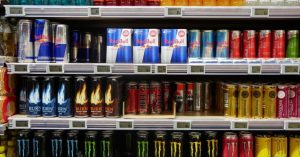
Think of iconic brands like Coca-Cola with their distinct bottle shape or Red Bull’s sleek cans. These elements create a signature look that sets them apart.
- Practicality Meets Aesthetics
While aesthetics play a crucial role, the packaging must also be practical. It needs to fit seamlessly on shelves and displays, making it easy for retailers to showcase and customers to find.
Consider the size and shape that best suit your product and target demographic. For instance, slim cans might appeal more to health-conscious consumers seeking low-calorie options.
- Tailoring to Your Audience
Customization is key. Industry insights can guide you to tailor your packaging to your audience’s preferences. Is your target market inclined towards singles, four-packs, or larger bundles? The choice can significantly impact sales.
- Conveying Brand Values
Packaging also conveys your brand’s values. Eco-friendly materials can signal sustainability, while innovative designs can communicate creativity and innovation.
The right packaging can transform how consumers perceive your beverage. It’s about striking a balance between visual appeal, practicality, and alignment with brand values, ensuring your product stands out in the competitive beverage landscape.
6. Develop a Beverage Marketing Approach
You must pay attention to which outlets are best to connect with your customers. What social media platforms do they use?
What kind of content do they like? How can you offer new ways to engage them? What are your competitors doing?
Why is an Online Presence Crucial for a Beverage Company?
An online presence is no longer optional for beverage companies; it’s a necessity. Here’s why:
1. Broaden Your Reach:
- The internet expands your market far beyond local borders.
- With platforms like social media, you can introduce your beverages to audiences worldwide.
2. Enhance Brand Credibility:
- A professional website and active social media channels instill confidence.
- Consumers often associate a strong online presence with trustworthiness and quality.
3. Effective Marketing at Your Fingertips:
- Digital platforms like Instagram and Facebook allow tailored marketing strategies.
- Engage directly with consumers, offering promotions or launching new products effectively.
4. Facilitate Consumer Interaction:
- Your website can house everything from your brand’s story to detailed product descriptions.
- Direct communication channels, such as chat functions or contact forms, enable swift interaction.
5. Real-Time Market Insights:
- Gain valuable insights into consumer behavior and preferences through online analytics.
- Use this real-time data to refine your product offerings and marketing tactics.
6. Constant Availability:
- Unlike traditional business hours, online platforms operate 24/7.
- Customers can explore your offerings and make purchases any time they like.
7. Build a Loyal Community:
- Engage with your audience by regularly updating your social media and blog posts.
- Create a community around your brand by encouraging reviews and sharing user-generated content.
Visibility is Vital: Adopting a robust online strategy can be the difference between a beverage company that merely survives and one that thrives in a competitive marketplace.
7. Source Drink Ingredients
You have to nail down where all your ingredients are coming from to formulate the right beverage product. Factor in cost and whether you want to use only natural or local products, for instance.
You will need specifics about how much of each ingredient is required for each batch of products. Some ingredients may be seasonal or hard to get quickly, so make sure you plan accordingly.
For probiotic drinks, this includes identifying high-quality probiotic strains and prebiotic fibers that will deliver the desired functional benefits. When making probiotic drinks, be mindful of how different ingredients and processes can impact the viability of the live cultures.
Optimize your formulation and production to maintain desired probiotic counts through to the finished product. Planning ahead is key to developing great-tasting, shelf-stable probiotic drinks.
8. Choose the Right Beverage Manufacturing and Distribution Partners
You may not need to work with a large beverage production company, which can get expensive fast. Look into working with a company that facilitates small-scale manufacturing or can get you samples quickly.
Are you thinking of ideas for a still drink or planning on developing a carbonated drink? How about flavored hard Seltzer?
No matter your beverage manufacturing needs, you’ll want to work with a partner that can also help you with label and packaging design and printing. Distribution will depend on your goals and budget, but consider if you then need to make deliveries yourself or if you’re going to work with a distributor.
Many hiccups can happen along the way, even when you take all the right steps. That’s why it’s usually best to work with a consultant who can guide you through these steps and ensure your product is commercially viable before you put your heart and soul into creating your new beverage business.
Contact MetaBrand to Get Started
MetaBrand is here to assist you along your path to business success. We are the leader in world-class natural and organic food, beverage, and nutraceutical product development. We know all the right steps you need to take to make your beverage business dream a reality.
To learn more about how MetaBrand can assist with your production efforts, give us a call or contact us today
Frequently Asked Questions
A beverage formulation is a recipe used to make drinks such as sodas, juices, and other beverages. It typically includes ingredients like sugar, water, flavoring agents, preservatives, colors, and other additives. The ingredients in the formula vary depending on the beverage being made.
How does Beverage formulation work with beverage manufacturing?
Beverage formulation is the process of designing and creating a beverage product. It involves selecting ingredients, determining their quantities, developing recipes, and testing for flavor, texture, appearance, and other characteristics.
The formulation process also includes calculating nutritional values such as calories per serving and fat content. Once a formula has been finalized, it must be approved by regulatory agencies before it can be manufactured commercially.
During the manufacturing process, raw materials are sourced in accordance with the recipe specifications established during formulation. Then those materials are weighed out according to the recipe instructions before being combined together in specific steps to create the finished product, which is then provided to a co-packer to package into containers ready for distribution or sale.
How to find an energy drink manufacturing company
1. Research the company: Do some online research to learn more about the energy drink manufacturing companies you are considering. Check out their websites, read customer reviews, and look for any complaints or negative feedback from past customers.
2. Ask questions: Contact the energy drink manufacturing companies directly with specific questions about their products, services, and pricing. Get an understanding of how long they have been in business and what other types of drinks they produce.
What to look for in a beverage manufacturer?
1. Quality Control: Look for a beverage manufacturer that has stringent quality control procedures in place to ensure the highest possible product quality.
2. Expertise and Experience: Choose a beverage manufacturer with extensive experience and expertise in producing the type of beverages you are interested in developing.
3. Production Capabilities: Ensure that your prospective beverage manufacturer has the necessary facilities, equipment and resources to produce your desired products on time and within budget.
4. Regulatory Compliance: Make sure that any potential manufacturers have compliant systems in place to meet all applicable regulations regarding food safety, labeling, packaging, etc., as well as any other relevant industry standards or requirements.
What is a small beverage production line?
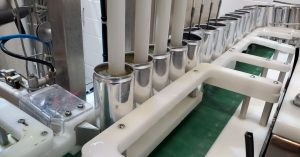
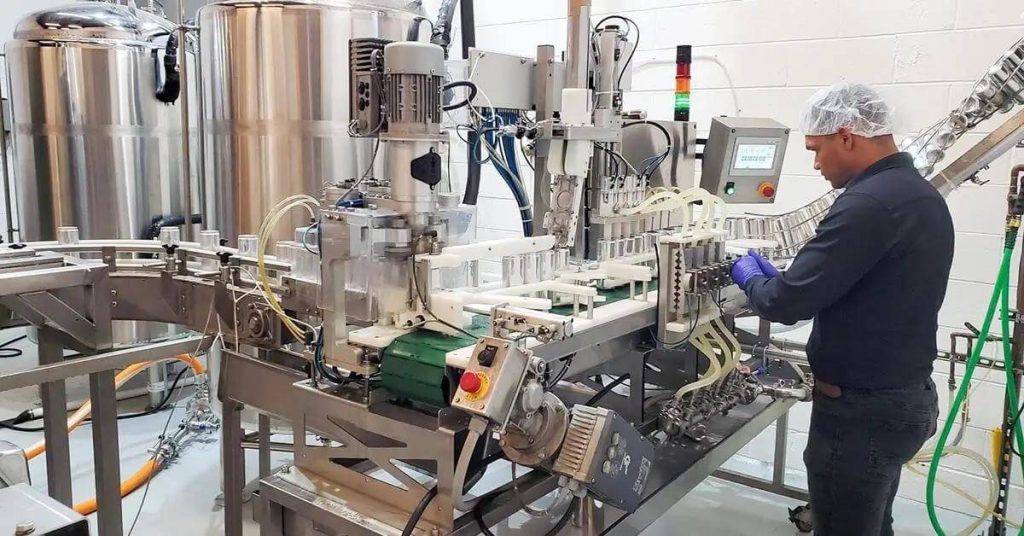
A small beverage production line typically includes a mixer, homogenizer, pasteurizer, filling machine, and capping machine. These machines are used to blend the ingredients together for a specific drink, homogenize them to ensure an even consistency throughout the batch, pasteurize the mixture to kill any bacteria that may be present, and then fill bottles or cans with it. The capping machine seals each container after it is filled.
How to find a company who can create an energy drink?
Finding a reliable company to create an energy drink can be a challenging process. To start, research potential providers by doing online searches, reading customer reviews and asking for referrals from friends or colleagues who may have already used such services.
Make sure to evaluate their experience in creating energy drinks and ask for samples of prior work. Finally, take the time to review any legal documents or contracts before entering into an agreement with the chosen provider.
Co-packing is the process of outsourcing production of a product to a third-party partnership. This allows companies to meet their production needs while maintaining control over branding, labeling and packaging.
It can provide access to specialized expertise, equipment, and facilities that wouldn’t otherwise be available. Co-packing is an invaluable tool for getting products to market quickly and efficiently.
What is the difference between RTS and RTD?
RTS stands for “Ready-to-Serve,” while RTD stands for “Ready-to-Drink.” While both terms refer to pre-packaged beverages that are convenient and ready for consumption, there is a slight difference in their meaning.