

When brands start working on a new beverage, calculating the cost to actually make said beverage often takes a backseat to the more exciting elements of beverage formulation, like the concept, the target audience, and the design. But beverage formula cost is one of the most (if not the most) important decisions you’ll make early on.
Cost affects pricing, manufacturing partners, margins, and whether your product can realistically stay stocked on shelves long-term.
How would we know? We’re MetaBrand — a beverage formulation and manufacturing partner that helps brands translate ideas into production-ready products, without losing sight of cost, scalability, or brand promise. We’ve produced some of the most recognizable brands in the industry, including Poppi, Gorgie, Liquid I.V., Jones Soda, Joel Gott Wines, and Loverboy, among many others.
In this guide, we’re walking you through how to calculate beverage formula cost step by step, using a practical framework designed for beverage startups and growing brands.
What Goes Into Beverage Formula Cost
Formula cost refers to the total cost of producing the liquid inside the package, calculated on a per-unit basis. It’s not the same thing as your total cost of goods sold (COGS), but it’s a major component of it.
At a high level, beverage formula cost includes:
- Ingredient costs
- Processing and production costs
- A portion of packaging costs
- Margin considerations tied to scale
- Distribution Margins / Retailer Margins
Understanding these components early allows brands to make smarter decisions during formulation before those decisions are locked into manufacturing.
Now that you know, here is a step by step guide to calculate beverage formula cost:
Step 1. Calculate Ingredient Cost Per Unit
Ingredient cost is the most visible part of formula cost, but it’s rarely as simple as adding up raw material prices.
Start by listing every ingredient in the formula, including:
- Base liquids (water, alcohol base, juice concentrates)
- Sweeteners
- Flavorings
- Functional ingredients (if applicable)
- Preservatives or stabilizers
For each ingredient, you’ll make three calculations:
- Cost per unit of measure (e.g., per pound, per kilogram, per liter)
- Usage rate per serving
- Cost per finished unit
This step often reveals early trade-offs. For example, a small change in usage rate or ingredient selection can significantly impact cost, especially once production volumes increase.
MetaBrand Pro Tip: Ingredient pricing can fluctuate. Early cost models should allow for some variability rather than relying on best-case-scenario pricing.
Step 2. Account for Processing and Production Costs
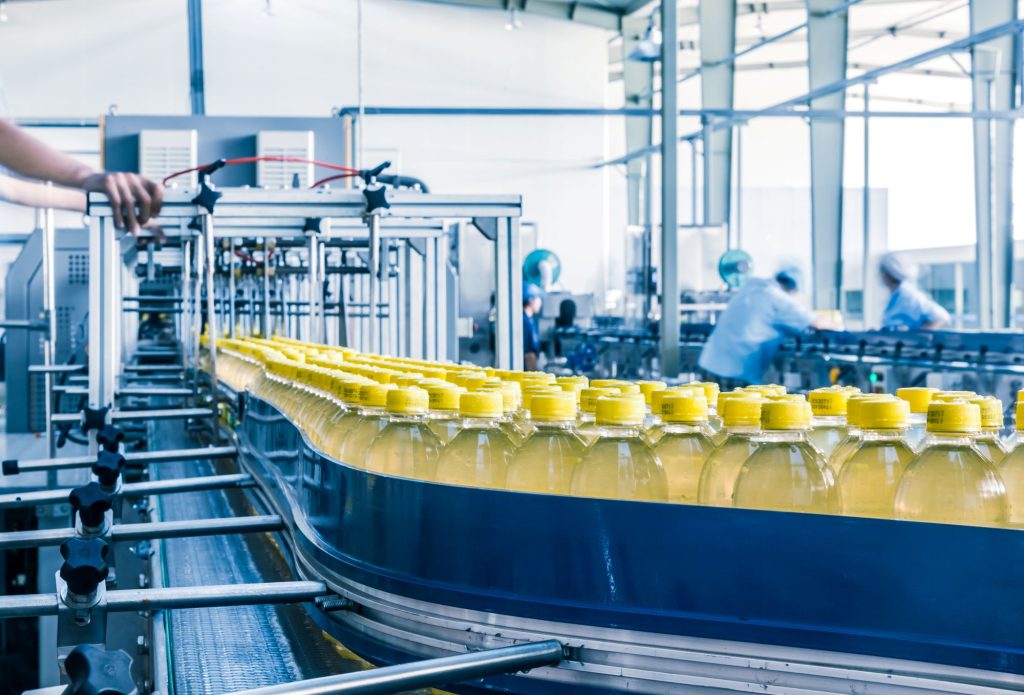
Processing costs capture what it takes to turn raw ingredients into a finished beverage formula.
These costs may include:
- Tolling Fees (typically Blending, Filling, Processing, etc)
- Production Labor Charges & Packaging Labor Charges ( often billed separately from the Tolling Fees)
- Alcohol handling or blending fees (for alcoholic beverages)
- Pasteurization, Labeling, Case / Variety Packaging charges
- Ingredients provided by the Manufacturer
- Quality control and testing
Processing costs are typically charged by manufacturing partners and can vary based on:
- Batch size
- Complexity of the formula
- Production time required
MetaBrand Pro Tip: Most ingredients, flavors, etc are purchased in “Minimum Order Quantities” or MOQ’s. In almost all cases, you will purchase more ingredients than you need. Do not include this “purchase costs” in your calculation, only the portion being used.
At this stage, brands often realize that a “simple” formula on paper may be more complex to produce than expected. Processing efficiency matters just as much as ingredient cost to build solid margins.
Step 3. Allocate Packaging Cost to the Formula
While packaging isn’t technically part of the liquid formula, it needs to be considered when calculating per-unit economics.
Packaging allocation includes:
- Containers (cans or bottles)
- Closures (“ends”, caps)
- Pressure Sensitive Labels or Shrink Sleeves
- Secondary packaging (trays, cartons, pallets, tray shrink wrap)
Rather than treating packaging as a separate line item, many brands allocate packaging cost into their per-unit cost model so they can evaluate total unit economics more accurately.
This is especially important when comparing packaging formats or planning future production runs, where minimum order quantities can materially impact cash flow.
Step 4. Build in Margin Targets Early
One of the most common mistakes brands make is calculating formula cost without tying it back to margin expectations.
To avoid this, you should work backward:
- First, define your target wholesale price and understand the retailers margin requirement.
- Second, in most cases, you will need a distributor who delivers into the retailers who has a target margin
- Then, determine acceptable gross margin for your product..
- Finally, use that margin to pressure-test your formula cost.
If the formula can’t meet margin targets at scale, something needs to change. And it’s far easier to make those adjustments during formulation than after production has started.
MetaBrand Pro Tip: for an initial COGS work up use a 30% margin for the distributor and use a 30% margin the retailer. Make sure you use Margin (sales prices – less purchase) / purchase price. This is not the same as a markup.
Step 5. Stress-Test the Beverage Formula Cost for Scale
A formula that works financially at small volumes may not work at larger ones—and vice versa.
As part of cost modeling, brands should evaluate:
- How ingredient pricing changes at higher volumes
- Whether processing fees decrease or increase with scale
- How packaging minimum order quantities affect cash requirements
- What happens to margins as distribution expands
This step separates short-term feasibility from long-term sustainability. And you’re probably here because you want your beverage stocked on shelves for the long haul.
Where Formulation Expertise Makes a Difference
Ingredient selection, usage rates, and processing decisions all influence cost long before a product reaches manufacturing.
This is where working with experienced beverage formulators can prevent costly rework. The goal isn’t just to make a product that tastes good. It’s to make one that can be produced consistently, compliantly, and profitably.
Common Beverage Formula Cost Mistakes to Avoid
- Pricing ingredients based on one-off quotes
- Select “organic” over natural ingredients when the product is not organic certified
- Ignoring processing complexity
- Treating packaging as an afterthought
- Designing formulas without margin targets
- Waiting until manufacturing to address cost issues
Avoiding these pitfalls early gives brands far more flexibility as they grow.
Partner With a Beverage Formulation & Manufacturing Expert
Calculating beverage formula cost is one of the most important steps in building a viable beverage business. By breaking costs into ingredients, processing, packaging allocation, and margin targets, brands can make smarter decisions before those decisions become expensive to undo.
If you’re developing a new beverage and want confidence that your formula works both technically and financially, the right guidance early can save months of time and significant cost later.
Contact our team to start the conversation.