
A brand had a great formula, a good co-packer, and a clean launch. Six weeks after the first cases hit the warehouse, the cans started leaking. The acidity in the formula had eaten through the liner. The product was unsellable, the launch stalled, and the founder learned the lesson most beverage founders learn the hard way: the can is part of the formula, and the formula and the can have to match.
Direct answer. Your beverage’s container is a formulation decision, not a packaging decision. Standard aluminum cans use an internal polymer liner that is built for typical pH, typical salt loads, and typical alcohol content. Formulas that fall outside those windows (high-acid juices, high-electrolyte functional drinks, high-ABV cocktails) need a different can. The three options in the modern beverage industry are the traditional aluminum can, the ATUL can (engineered for corrosive liquids), and the tin can. Choosing the wrong one is how good products become returned products.
Why your beverage might not belong in a standard can
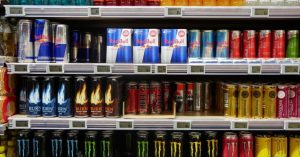
Most beverage founders learn about can selection the same way they learn about manufacturing viability: by getting it wrong. Standard aluminum cans are engineered for a specific window of conditions. They are excellent at holding carbonated soft drinks, beers at typical ABV, sports drinks, energy drinks, and most ready-to-drink products. They are extraordinarily efficient to produce, ship, and recycle. For roughly 75 percent of beverages, the standard aluminum can is the right answer.
The other 25 percent is where founders lose money. A formula that sits outside the window (because the pH is unusually low, or the chloride load is unusually high, or the alcohol content is unusually high) interacts with the standard aluminum liner in ways the liner was never designed for. The interaction shows up as corrosion on the interior wall, a metallic taste in the finished product, a slow leak through the seam, or a complete liner failure that contaminates the liquid.
None of those failures show up at the bench. They show up at the warehouse, after the product has been canned, palletized, and shipped. By that point, the cost is already sunk and the answer is to scrap the run.
How a beverage can is actually built (and why the liner matters)
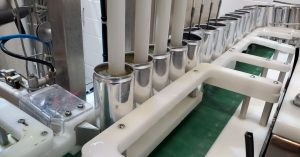
A modern aluminum beverage can is not only aluminum. The aluminum is the structural shell. The interior of the can is coated with a thin polymer liner that sits between the liquid and the metal. The liner exists because aluminum, on its own, is not chemically inert. It reacts with acids, with chlorides, with sulfates, and with alcohol. The liner is what prevents that reaction.
Different formulas need different liners. A liner that performs perfectly for cola will not perform the same way for a high-electrolyte sports drink loaded with sodium chloride and potassium chloride. A liner built for beer at 5 percent ABV will not perform the same way for a canned cocktail at 30 percent ABV. The liner is the system, and the system has limits.
The Can Manufacturers Institute and the FDA’s indirect food additives regulations (21 CFR Parts 174-178) govern which liner materials are permitted in food and beverage contact. Within those permissions, the industry has developed several distinct liner technologies, each optimized for a different category of liquid. The three that matter most for a beverage founder are the standard aluminum can, the ATUL can, and the tin can.
Aluminum, ATUL, and tin: a comparison table for beverage founders
The table below sketches the practical differences between the three can types most beverage formulas need to consider. Read it left to right: each can type, what it holds well, where it breaks down, and the real-world product examples that illustrate the call.
| Can type | Best for | Where it breaks down | Real-world example |
|---|---|---|---|
| Standard aluminum can With polymer liner |
Carbonated soft drinks, beers at typical ABV (3–8%), sports drinks, energy drinks, hard seltzers, and most RTDs. | Very high acidity, high chloride and sulfate loads, very high ABV (above approximately 15%), and formulas with aggressive sanitizing residues. | Most major beverages on the shelf: sodas, beers, and mainstream functional drinks. |
| ATUL can Engineered for corrosive liquids |
High-electrolyte functional drinks, high-salt formulas, and electrolyte-heavy sports drinks where the standard liner is at risk. | Higher unit cost than a standard can and not always necessary for moderate-acid or moderate-salt formulas. | Specialty electrolyte and functional drinks designed not to corrode the can throughout their shelf life. |
| Tin can Tinplate steel |
High-acid juices such as pineapple and tomato, high-ABV canned cocktails, spirits-forward products, and formulas requiring a thicker container wall. | Heavier than aluminum, more expensive to ship, generally higher in unit cost, and less common across modern co-packing networks. | Pineapple juice, Tip Top high-ABV mini cocktails, and traditional canned tomato products. |
What is a standard aluminum beverage can?
A standard aluminum beverage can is the can most beverage drinkers picture when they hear the word “can”: a thin aluminum shell, an internal polymer liner, a stay-tab opening, available in 8.4 oz slim, 12 oz standard, 16 oz tallboy, and a handful of other formats (we cover the format question in detail in our companion guide to beverage can sizes).
This is the workhorse of the modern beverage industry. It is cheap, light, recyclable, and runs on essentially every co-packer’s line in North America. For the majority of beverages (carbonated soft drinks, mainstream functional beverages, sports drinks, energy drinks, hard seltzers, beers at typical ABV, RTD cocktails at moderate ABV) it is the right choice and there is no reason to look further.
Where the standard aluminum can falls short is the territory it was not built for: extremely low-pH formulas, high-chloride electrolyte profiles, and high-ABV spirits-forward products. If a formula is in any of those zones, the standard liner is at risk and the question is not whether to look at alternatives but how soon.
What is an ATUL can?
An ATUL can is an aluminum can engineered with a more robust internal liner specifically designed to handle corrosive liquids that would compromise a standard liner. The chemistry of the liner is different. The cost per unit is higher. The structural format is similar enough to a standard can that most production lines can run it without major retooling. For founders, that combination (better corrosion resistance, modest cost premium, drop-in production compatibility) makes the ATUL can the default answer for formulas that are too aggressive for a standard liner but not extreme enough to need a tin can.
High-salt and high-electrolyte functional drinks are the most common ATUL use case. From our experience with electrolyte and functional brands, a sports drink or hydration formula with sodium and potassium loads above mainstream levels will eat through a standard liner over a typical shelf-life window. The ATUL can holds that same liquid without degradation.
Nick, MetaBrand’s formulation lead, puts the framing this way:
Traditional can liners cannot withhold high amounts of salts and chlorides. There is a can called the ATUL, A-T-U-L, designed to hold corrosive liquids in the can, and it does not leak.
For founders writing a functional-beverage spec, the ATUL is the question to put on the table before the co-packer is selected, not after.
What is a tin can in beverage manufacturing?
A tin can is a steel can with a tin-based coating. It is the can most North American shoppers associate with canned tomato products, canned fish, and canned juices. In beverage manufacturing, it shows up in two specific places.
First, high-acid juices. Pineapple juice is the canonical example. Walk into any grocery store, look at the pineapple juice section, and the product is in small tin cans that look like soup cans rather than standard aluminum beverage cans. The reason is structural. The acidity of pineapple juice is aggressive enough that it would degrade a standard aluminum liner over a 12 to 24 month shelf life. Tin holds it. Tomato juice falls in the same category, for the same reason.
Second, high-ABV cocktails. Standard aluminum cans are engineered for beverages with moderate alcohol content. Spirits-forward canned cocktails at 25, 30, or 40 percent ABV are outside that window. The brand Tip Top, which packages canned cocktails (Old Fashioneds, Manhattans, Negronis) at high ABV in small 100 mL servings, ships in tin for exactly this reason. The aluminum can liner is not engineered for that alcohol concentration. The tin can is.
Nick described it this way on the design review call that produced this article:
There is a brand called Tip Top, those high-ABV really tiny cocktails that fit in the size of your palm. ABVs that are 30 or 40 percent. That is too much alcohol for a standard can, but it works in the tin can.
The tradeoffs with tin are real. It is heavier, which raises shipping cost per unit. It is more expensive per can. It is less compatible with the modern co-pack network in North America, which is overwhelmingly built around standard aluminum. For founders with a high-acid or high-ABV formula, those tradeoffs are worth it. For founders whose formula fits the standard aluminum window, they are not.
How to decide which can your beverage needs
The decision tree is shorter than it looks. The same three-part check that drives the rest of formulation drives can selection. Liquid composition, processing method, container. The container is the third decision, but it has to be made in parallel with the first two.
Start with the liquid composition. What is the formula’s target pH? What is the chloride and electrolyte load? What is the ABV, if any? Those three numbers determine the corrosivity envelope the can has to handle.
Then the processing method. Hot fill puts the liquid into the can at high temperature, which intensifies certain liner reactions. Cold fill is gentler on the liner. Pasteurization, especially tunnel pasteurization, exposes the can to heat after filling. Each method puts a different load on the liner over the can’s lifetime, and the liner has to be specified for the method, not only the liquid.
Then the container. If the liquid is in the standard aluminum envelope and the processing method is compatible, the standard aluminum can is correct. If the liquid is high-electrolyte or high-chloride, the ATUL is the question. If the liquid is high-acid (pineapple, tomato, certain high-pH-sensitive functional ingredients) or high-ABV (above roughly 15 percent), tin is the question.
The failure mode is making the container decision last, after the formula and the co-packer have already been locked. By that point the brand is solving for whatever can the co-packer happens to run, not for what the formula actually needs. That is the conversation MetaBrand has with most founders before they commit to packaging.
How MetaBrand approaches can selection
MetaBrand treats can selection as a formulation input, which is the same way we treat the heat process and the preservative system. The conversation happens before the first sample is built, not after the formula is finalized. We have formulated and manufactured beverages across every major category, including high-electrolyte functional drinks, RTD cocktails, juices, and high-ABV products that needed something other than a standard aluminum can.
The practical implication for a founder: bring the can question into the conversation early. If a formula’s pH, electrolyte load, or ABV is unusual, the answer might be that the standard aluminum can is fine after a small adjustment, or it might be that an ATUL or tin can is required. That is a cheap conversation at the formulation stage. It is an expensive one after the first commercial run.
Frequently asked questions
An ATUL can is an aluminum beverage can with a more robust internal liner engineered specifically to resist corrosion from high-salt, high-chloride, and high-electrolyte liquids. Structurally it is similar to a standard aluminum can and runs on most aluminum lines, but the liner chemistry is different. It costs more per unit, and it is the default answer for high-electrolyte functional and sports drinks where the standard liner would degrade over shelf life.
Pineapple juice is highly acidic, and its acid profile is aggressive enough to degrade the polymer liner inside a standard aluminum beverage can over a typical 12 to 24 month shelf life. Tin cans (tinplate steel) handle that acidity without the same liner concern. Tomato juice and certain other high-acid juices ship in tin for the same reason.
Up to a point. Standard aluminum cans handle beverages with moderate alcohol content (beers and seltzers at typical ABV, lower-ABV canned cocktails). Spirits-forward cocktails above roughly 15 percent ABV start to stress the standard liner. Products at 25, 30, or 40 percent ABV are typically packaged in tin (the Tip Top mini cocktails are the canonical example) because the alcohol concentration is outside what the aluminum liner is engineered to hold.
Almost always a mismatch between the liquid composition and the can liner. The most common drivers are very low pH, high chloride or salt loads, high ABV, or residues from sanitizing chemistry that were not adequately rinsed before filling. The liner reacts with one or more of those, the reaction propagates over the shelf-life window, and the result is corrosion at the seam or wall, or a metallic taste in the finished product.
At the same time the formula brief is written, not after the formula is finalized. The container is one of three formulation inputs (liquid composition, processing method, container) that have to be locked in parallel. Treating container as a packaging-stage decision is what creates expensive surprises at the co-packer or in the warehouse.
Yes, tin cans (tinplate steel) are highly recyclable and the steel can recycling stream in North America is mature. They recycle at high rates, often comparable to aluminum. The tradeoffs versus aluminum are weight (tin is heavier, which raises shipping cost per unit) and infrastructure compatibility (most North American beverage co-packers are built around aluminum), not recyclability.
Talk to MetaBrand before you finalize your packaging
If you are within sight of a commercial launch and the can decision has not been validated against your formula, that is the conversation worth having first. A corroded can on a shelf is a brand-damaging failure that is entirely preventable at the formulation stage. The three-part check (liquid composition, processing method, container) is cheap to do at the bench and expensive to skip.
MetaBrand has formulated and manufactured beverages for 150+ brands over more than a decade, including high-electrolyte functional drinks, RTD cocktails, juices, and high-ABV canned products that required something other than a standard aluminum can. We will tell you which can your formula actually belongs in, and we will tell you before the co-packer is selected.
Schedule a free formula audit at metabrandcorp.com.
Related reading: Our companion piece on building manufacturing viability into formulation from day one explains why the container is one of three decisions that have to be made in parallel. Our guide to acids in beverage formulation covers the high-acid side of why container choice matters.