
Turning an alcohol concept into a real product isn’t just about finding someone who can make it with a commercially ready formula. Manufacturing is the point where your idea becomes reality. In this stage, flavor, alcohol content, packaging, cost, and compliance all have to work together in the same bottle or can.
For many first-time founders, this is also where things get confusing. You may know what you want to sell and who it’s for, but not how that idea moves through formulation, manufacturing, and production without falling apart along the way.
If you want to know how to manufacture alcoholic beverages, this guide walks through how alcoholic beverages are manufactured, what decisions matter most early on, and where brands often run into trouble when they don’t plan ahead.
Start With a Clear Product Definition
Before manufacturing is even on the table, you need clarity on the product itself. Not a pitch deck version. An actual, functional definition.
That includes:
- The alcohol base (spirits, wine-based, malt-based, etc.)
- Target Alcohol By Volume (ABV)
- Flavor direction and sweetness level
- Intended retail price point
- Where the product will be sold (on-premise, retail, Direct-To-Consumer where allowed)
- Who you are competing against and why consumers want your product.
These details shape everything that follows. A slight change in alcohol base or ABV can affect formulation approach, production partners, regulatory requirements, and cost. The more defined the product is upfront, the fewer compromises you’ll have to make later. And vague ideas are expensive in manufacturing.
Understanding Formulation Before Manufacturing Begins
Formulation is where a beverage moves from concept to something that can actually be produced consistently. It’s not just about taste (although that’s, of course, of utmost importance). It’s also about making sure the product holds up under real-world conditions.
For alcoholic beverages, formulation needs to account for:
- Flavor stability in the presence of alcohol
- Ingredient compatibility with the chosen base
- Shelf life expectations
- Cost of goods at scale
- Consistency across production runs
- Use of Ingredient and Flavors that are TTB Approved
This is also where many brands run into issues by skipping steps. A formula that tastes great in a small test batch doesn’t automatically translate to commercial production. Without proper formulation, manufacturers are often left trying to “fix” problems they weren’t meant to solve.
But formulation done right — with the proper pre-work and a reputable, proven formulation company — manufacturing at any level is key to early success.
How Alcohol Manufacturing Actually Works
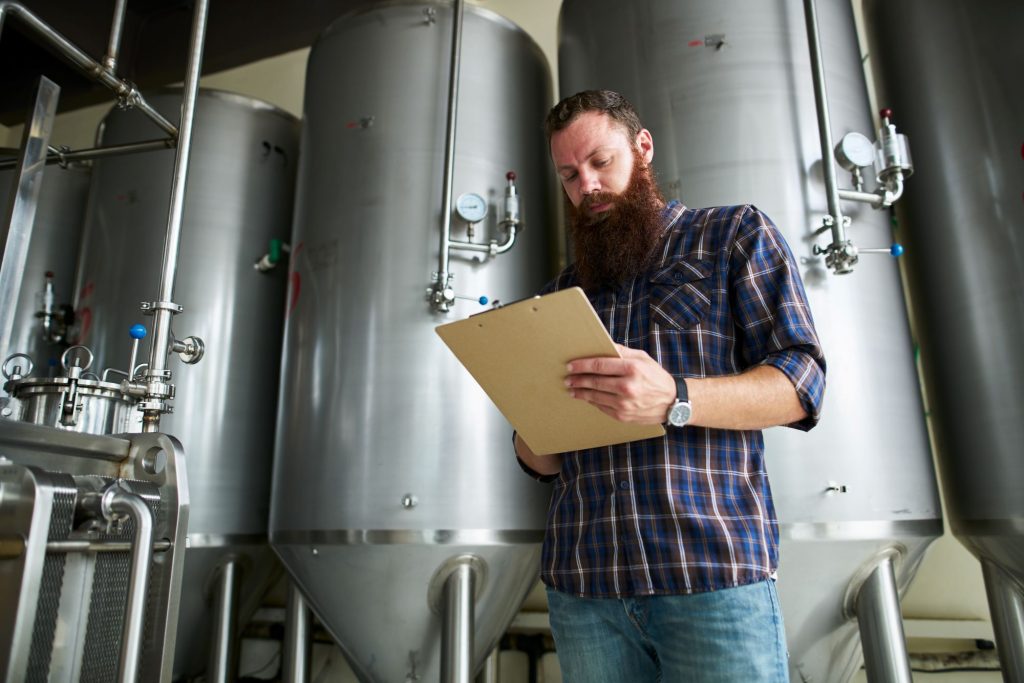
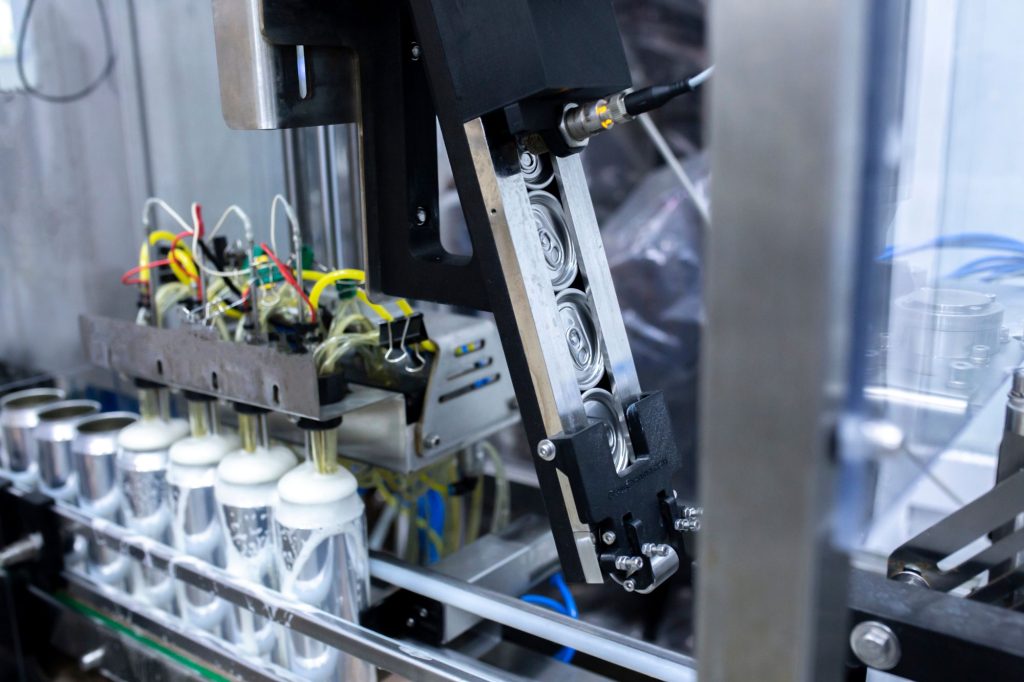
Once a formula is production-ready, manufacturing becomes the focus. Most brands don’t manufacture alcohol themselves. Instead, they work with established production partners who already have licensed facilities, equipment, and compliance systems in place.
Alcoholic beverage manufacturing partners typically handle:
- Scaling the formula to commercial volumes
- Alcohol sourcing, handling, and blending
- Packaging runs (bottling or canning)
- Quality control during production
What they don’t usually do is refine brand strategy, redesign formulas, or troubleshoot fundamental product issues. That’s why alignment between formulation and manufacturing matters so much. Each has a role, and confusing the two leads to delays and cost overruns.
Choosing the Right Alcohol Manufacturing Path
There isn’t a single “best” manufacturing option. The right path depends on volume expectations, budget, and how flexible the product needs to be.
Smaller production runs allow brands to enter the market without massive upfront commitments, but they often come with higher per-unit costs. Larger runs reduce cost per unit, but they lock you into decisions earlier, sometimes even before the brand has enough market data to justify them, many times before your Distribution channel is locked in.
Minimum order quantities, production schedules, and ingredient sourcing requirements vary widely by manufacturer. Knowing these constraints early helps brands avoid committing to partners that aren’t a good long-term fit.
What Really Drives Manufacturing Costs
Alcohol manufacturing costs are shaped by more than just volume. Some of the biggest cost drivers include:
- Alcohol base: Different bases come with different pricing, sourcing, and handling requirements.
- Federal Excise Tax: Taxes collected by the government based on ABV and alcohol type.
- Ingredients: Flavorings, sweeteners, and specialty ingredients can vary widely in cost and availability.
- Packaging: Glass, aluminum, closures, and labeling all impact cost and availability.
- Production runs: Smaller runs cost more per unit; larger runs require more upfront capital.
- Logistics: Storage, transportation, (compliant with TTB regulations), and timing all affect the final number.
- Many brands focus on one cost lever (usually packaging) without realizing how formulation choices quietly influence margins at scale.
Compliance Shapes Alcohol Manufacturing More Than Most Founders Expect
Alcohol is one of the most regulated consumer product categories. Compliance isn’t something to “figure out later.” It directly impacts how and where a product can be manufactured.
This includes:
- Labeling requirements
- Warehousing & Distribution
- Formula approvals
- Production facility licensing
- Recordkeeping and reporting standards
- Federal, State & Local Tax Remittence
Manufacturing partners operate within these frameworks, and products that aren’t designed with compliance in mind often need to be reformulated or relabeled before production can move forward. That means more time, more cost, and more frustration than necessary.
Scaling Without Breaking the Product
The first production run is rarely the final version. As brands grow, they often need to revisit formulation, sourcing, or manufacturing partners to maintain consistency and protect margins.
Scaling introduces new variables:
- Consumer Feedback, Distributor input
- Ingredient supply reliability
- Flavor consistency across larger batches
- Packaging availability
- Production scheduling constraints
Brands that plan for scale early, even if they’re starting small, have a much easier time navigating growth without sacrificing quality or brand trust.
Where MetaBrand Fits In
Manufacturing alcoholic beverages is rarely a straight line. It’s a series of connected decisions that need to work together from formulation through production.
MetaBrand works at the intersection of those decisions. As a beverage formulation and manufacturing partner, MetaBrand helps brands translate their ideas into production-ready products while aligning them with the right manufacturing partners. The focus is on ensuring that what a brand promises is what ultimately shows up in the finished product ready for scalable production.